The Grand Strand History
Unveiling the Rich History of the Grand Strand: Myrtle Beach’s Journey Through Time
The Grand Strand, encompassing the picturesque Myrtle Beach area, is renowned for its beautiful coastline and vibrant tourist attractions. However, its history is as captivating as its sun-kissed beaches, offering a journey through centuries of cultural and economic transformation.
Early Inhabitants and European Settlers
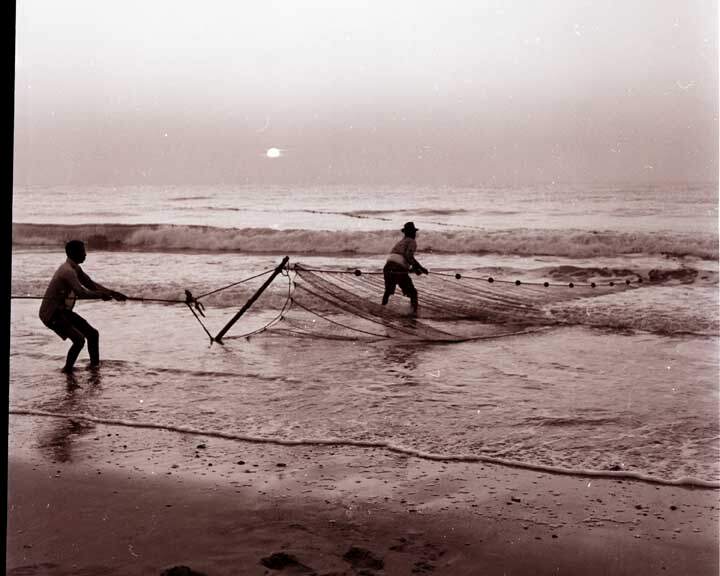
Long before the advent of modern tourism, the Grand Strand was home to the Waccamaw and Winyah tribes. These Native American groups thrived in the region, utilizing its rich natural resources for fishing, hunting, and farming. They lived harmoniously with the land, establishing communities along the rivers and coastlines.
European settlers began to arrive in the late 1600s, attracted by the fertile land and strategic coastal location. The Spanish were among the first Europeans to explore the area, but it was the English who established permanent settlements. By the early 18th century, the region had developed into a hub for agriculture, with rice and indigo plantations becoming the backbone of the local economy. Slavery played a tragic role during this period, with enslaved Africans brought to work on these plantations, leaving a lasting cultural and historical impact on the region.
The Emergence of Myrtle Beach
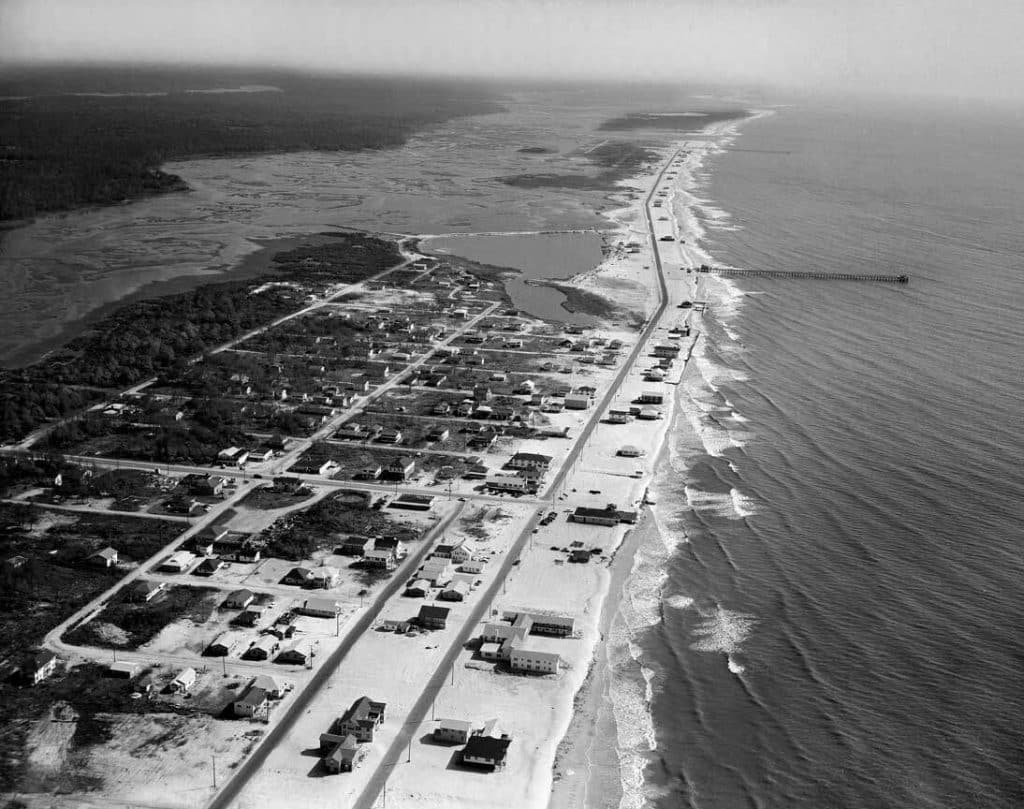
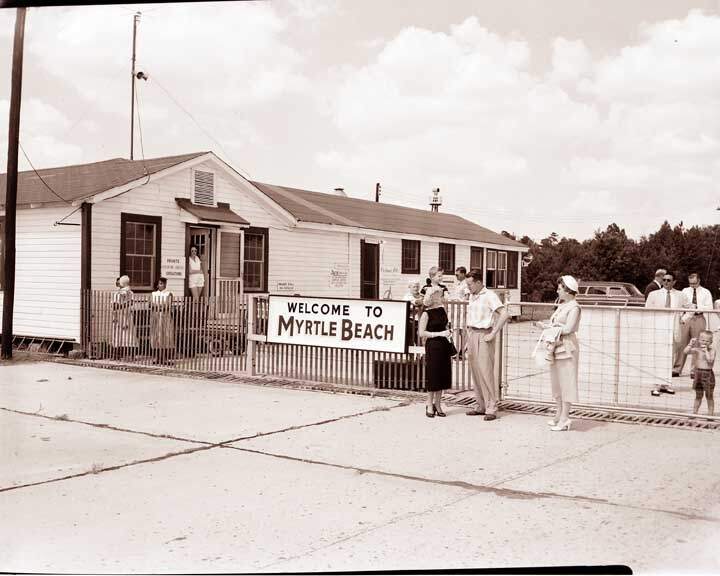
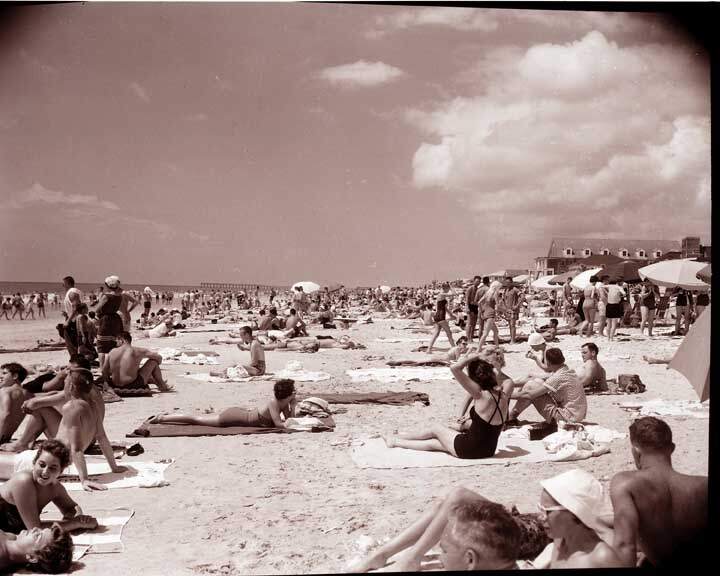
The transformation of Myrtle Beach from a quiet, agrarian community into a bustling tourist destination began in the early 20th century. In 1900, the completion of the Conway & Seashore Railroad made the area more accessible, setting the stage for its development as a resort town. The Burroughs & Collins Company, a prominent local business, saw potential in the area’s natural beauty and began promoting it as a vacation spot. They built the first hotel, the Seaside Inn, in 1901, marking the beginning of Myrtle Beach’s tourism industry.
The name “Myrtle Beach” was chosen in a contest in 1900, named after the wax myrtle, a native shrub. The area’s appeal continued to grow, and by the 1920s, Myrtle Beach had become a popular destination for vacationers seeking sun and relaxation.
Post-War Boom and Development
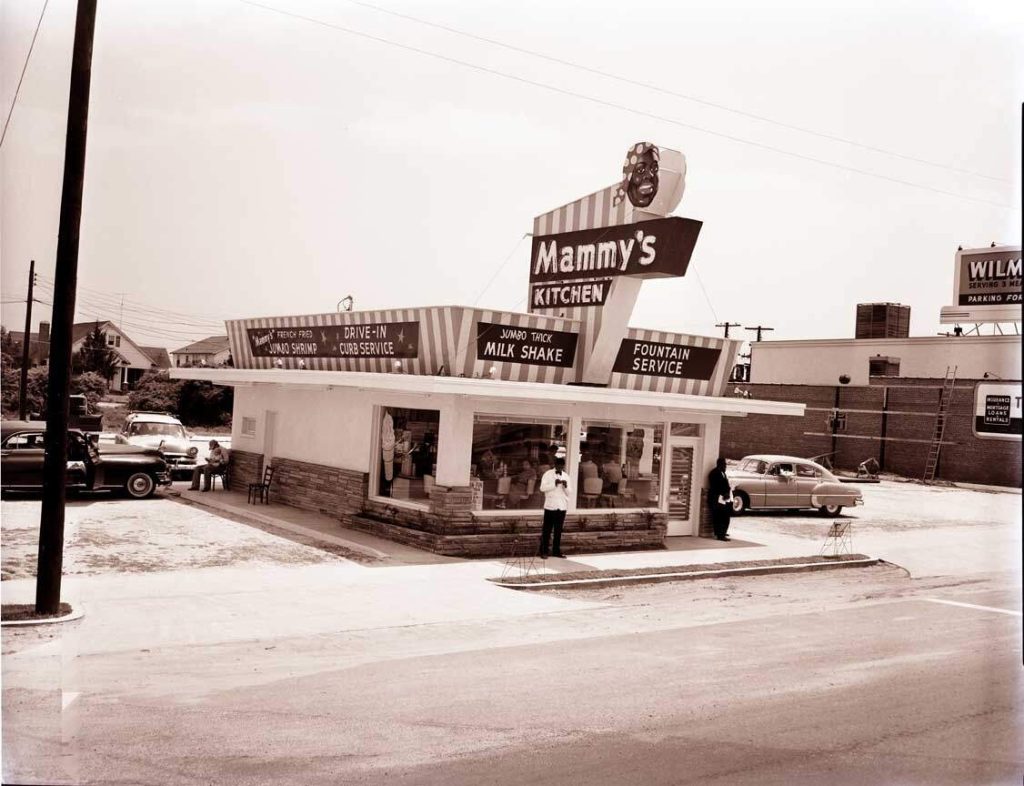
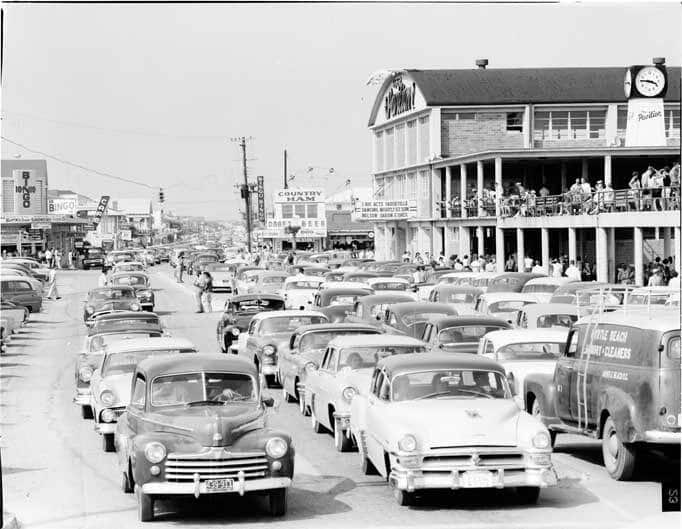
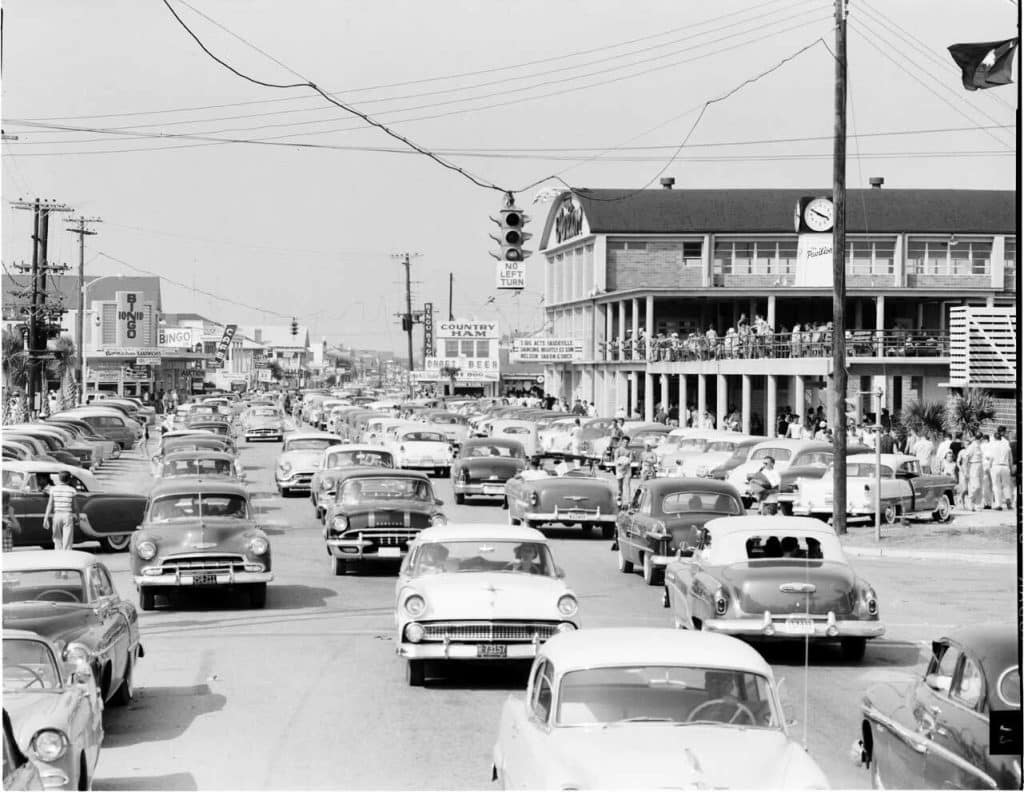
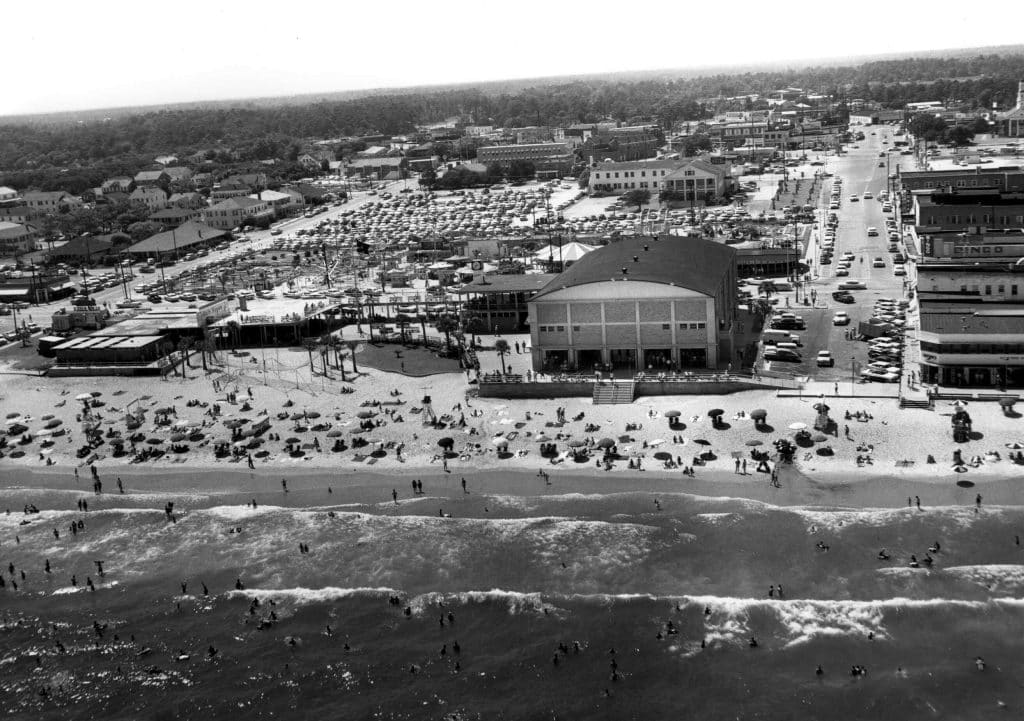
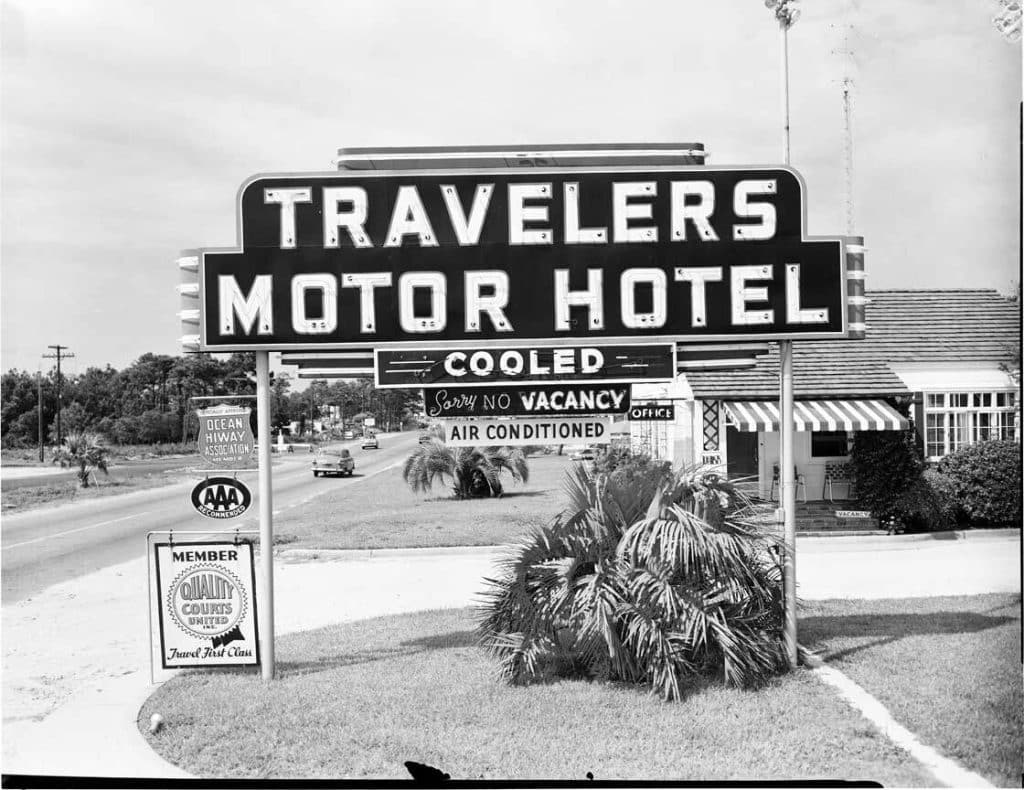
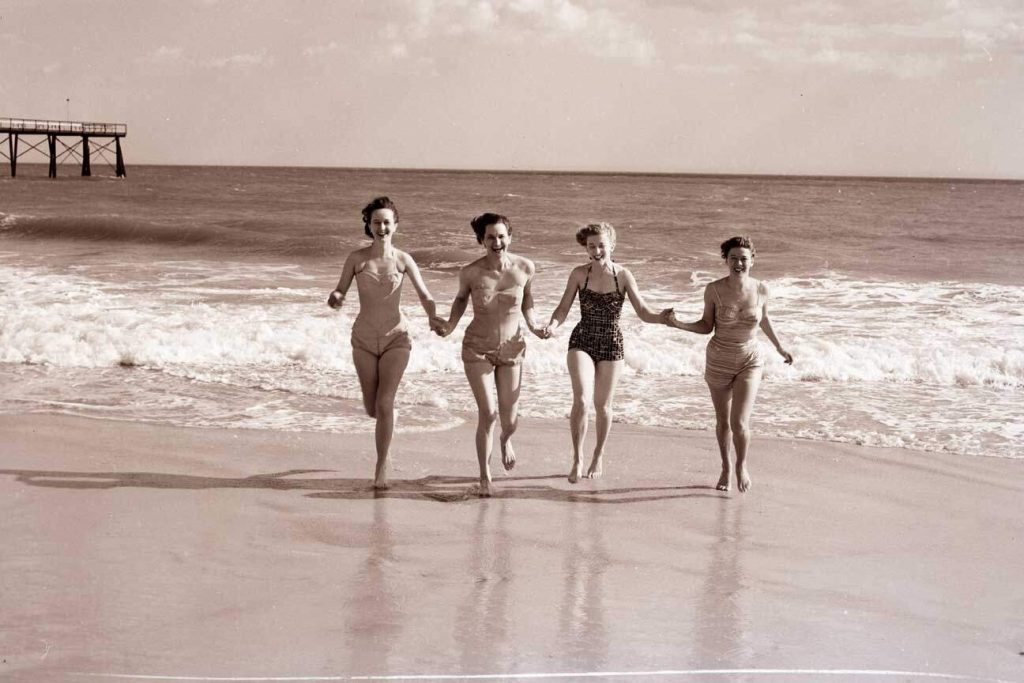
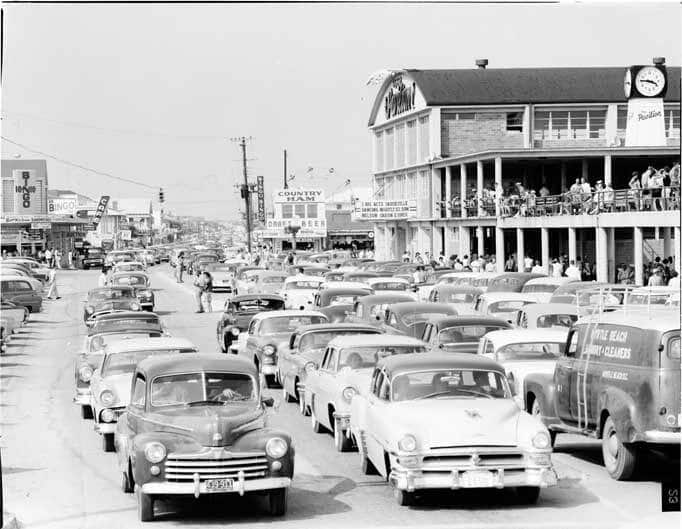
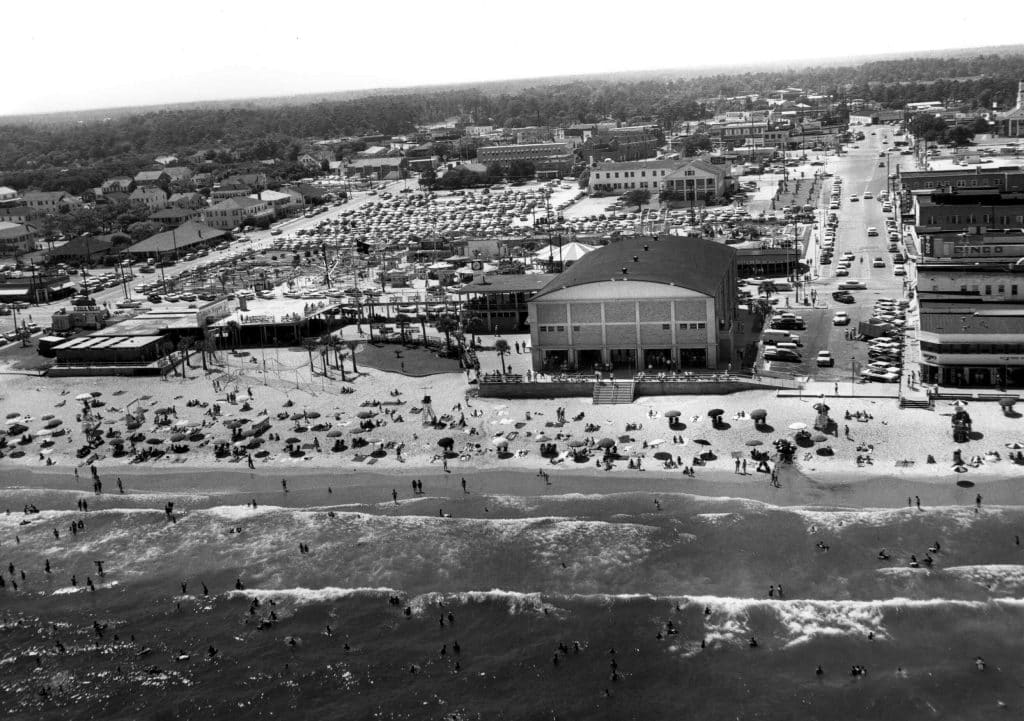
The post-World War II era saw Myrtle Beach solidify its status as a premier vacation destination. The Myrtle Beach Pavilion, opened in 1949, became a central hub for entertainment, featuring rides, games, and live music that attracted families from all over the country. The 1950s and 60s brought further growth, with the construction of numerous hotels, motels, and attractions along the beachfront.
The development of golf courses also played a significant role in the area’s appeal. Pioneering golf course designers like Robert Trent Jones and Jack Nicklaus crafted challenging and beautiful courses, establishing Myrtle Beach as a golfer’s paradise. Today, the Grand Strand boasts over 100 golf courses, drawing enthusiasts from around the world.
Preservation and Modern Attractions
Despite its rapid development, efforts have been made to preserve the natural beauty and historical significance of the Grand Strand. Myrtle Beach State Park, established in 1936, and Huntington Beach State Park, established in 1960, protect significant coastal habitats and offer recreational opportunities. Brookgreen Gardens, once a rice plantation, now serves as a stunning sculpture garden and wildlife preserve, celebrating both natural and cultural heritage.
Modern attractions have added to the area’s allure. Broadway at the Beach, the Myrtle Beach SkyWheel, and numerous entertainment complexes offer diverse experiences for visitors. The area’s rich history is also celebrated through museums, such as the Horry County Museum and the South Carolina Hall of Fame.
A Tapestry of History and Modernity
The Grand Strand is a unique blend of past and present. Its history, from Native American roots and colonial agriculture to its rise as a tourism powerhouse, is woven into the fabric of its modern identity. Visitors today can explore historic landmarks, enjoy world-class golf, and experience vibrant entertainment, all while basking in the natural beauty that has captivated people for centuries.
As you stroll along the sandy shores of Myrtle Beach or delve into the region’s cultural offerings, take a moment to appreciate the rich history that has shaped this beloved destination. The Grand Strand’s journey through time is a testament to its resilience, charm, and enduring appeal.